Into the Metaphysical Realm

A common notion about poetry is that it is an escape from reality but more often than not poetry has always been a medium to portray reality and self-introspect. Throughout history, poems have always predated written text as epics, religious preaching, accounts of historical events and even fictional writings.

The nursery rhymes that we cherished so much as kids had so many hidden meanings and stories that we failed to notice back then. For example, “Jack and Jill” was apparently about France’s Louis XIV and his wife, Marie Antoinette, who were convicted of treason during the French Revolution and beheaded. The famous poem “O Captain, My Captain” by Walt Whitman which still is one of my favorite poem was about a captain who dies just as the ship has reached the end of a stormy voyage. The captain represented Abraham Lincoln, who was assassinated just as the Civil War was ending.

We often credit authors and their written texts but leave behind all the poets that have throughout history portrayed complex and enigmatic experiences through their poetry.

But today we aren’t going to talk about all of the famous poets we have known all these years but about that group of poets who were shunned and ridiculed even amongst poets in that period of time. Today, we are going to talk about the metaphysical poets that were prominent in the 17th century England. Now why discuss metaphysical poets and what has it to do with the theme of my blog will come in the later part of this piece.

To begin with, metaphysical means something which is not palpable with our reality or something that is beyond physical reality. Metaphysical poetry was considered unfamiliar and unusual. In a sense it was considered to be in a make believe world which was non material and that is why people were so unaccepting of it in it’s early stages. Up until the second half of the 16th century poems always depicted reality in some form that was accessible to the average intellect; it referred directly to war, faith, emotions but metaphysical poetry woke them up from this intellectual slumber. Though it spoke about feelings; it was those feelings that were unsettling; challenged the established norms and forced people to ask questions.

The father of metaphysical poetry John Donne, in his poem “The Dream” starts off with describing his love to be divine and yet at the end does not hold on to that thought. He states at the end that love isn’t as strong as he supposed it to be. It is mixed with fear, shame and other worldly considerations.

John Donne portrait

This very aspect of metaphysical poetry was unsettling to many people and so it was considered to be hostile and was critically received. It is contradictory and self-contradictory at times. Poetry at that period in time was supposed to be harmonious but metaphysical poets portrayed paradoxical situations with wit. But to think of it, aren’t we all self-contradictory, hypocritical and paradoxical many times? Have we not been critical of a crime yet sympathized with the culprit after listening to their part of the story? Haven’t we knowingly controlled our laughter at a funeral even if we were mourning for a closed one? Don’t we often encounter paradoxes in our everyday life? This very thought is unnatural to people even today, even though that is how humans have always been; full of moral discrepancy. Samuel Johnson who coined the word “metaphysical” described these poetries where “Contraries are brought together violently.”

Even though John Donne was brought up in a religious household, he was an individualist. He believed that one should do what one wishes and not be limited by the government or religion. For him, religion was at an individual level and not hierarchical and was free from preexisting dogmas. He believed that humans are rational beings and could distinguish vices from virtues without an external oppression and must seek their own spiritual truth. His poetry is marked by satire. He treats things with disdain; he emphasizes the moral by exposing the immoral and does so very effectively. Out of the five satires that he has written, Satire III deals with questioning the authoritative religion or power where doubting wisely and inquiring the dogmas does not make one lost or separated.

He’s not of none, nor worst, that seeks the best.

To adore, or scorn an image, or protest,

May all be bad; doubt wisely; in strange way

To stand inquiring right, is not to stray;

He also talks about how fatal giving in to oppression can be and how people who seem to dictate religion and god can mislead us into lost causes without having the chance to discover one’s own truth and relation with religion.

As streams are, power is; those blest flowers that dwell

At the rough stream’s calm head, thrive and do well,

But having left their roots, and themselves given

To the stream’s tyrannous rage, alas, are driven

Through mills, and rocks, and woods, and at last, almost

Consum’d in going, in the sea are lost

So perish souls, which more choose men’s unjust

Power from God claim’d, than God himself to trust

Another prominent metaphysical poet was Andrew Marvell. He was junior to Donne and though he is also categorized under metaphysical poets; his poetry was much distinct that that of John Donne. Distinct in the sense that his poetry was heavily influenced by the Civil war in England. His poems are witty, complex and dialectic with a subtle hint of humor. He presented truth by the exchange of logical arguments that tickled the imagination and left the poem open to the reader’s interpretation. You keep scratching your head to find out whose side is he on where in reality Marvell smirks and exists the scene with a bizarre ending to his poems. Some attribute this style of his poetry to the circumstances that he grew up in particularly the political, social, cultural landscape of the people then, which was a direct implication of the inception of the civil war.
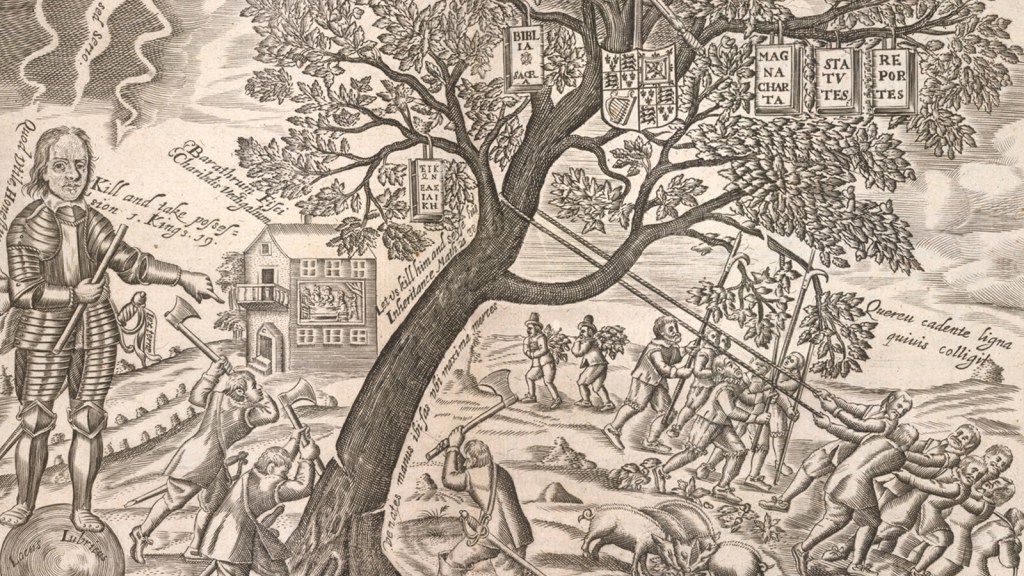
Political unrest and inception of the civil war.

To keep it brief; in the first half of the 17th century, England saw the rise of “Puritans”, who were a set of people that rejected the Roman monarchy and the Catholic preaching. They started interpreting the Bible in their own terms. Religion entered culture and literature and people starting questioning the efficacy, the legitimacy and the acceptability of the Roman Catholic religion. The people now had to choose between the two, leading to debates and discussion. This resulted in the whole atmosphere of England to be politicized leading to the Civil war. They called themselves the Republicans and this movement was also supported by John Milton and Andrew Marvell; two of the most prominent poets of the later half of the 17th century.

The Civil War ended with the Republicans winning the battle and beheading the king. Though Andrew supported the Republicans and the idea that partial power be given to the people but at the same time he wasn’t sure that what people are doing is right.
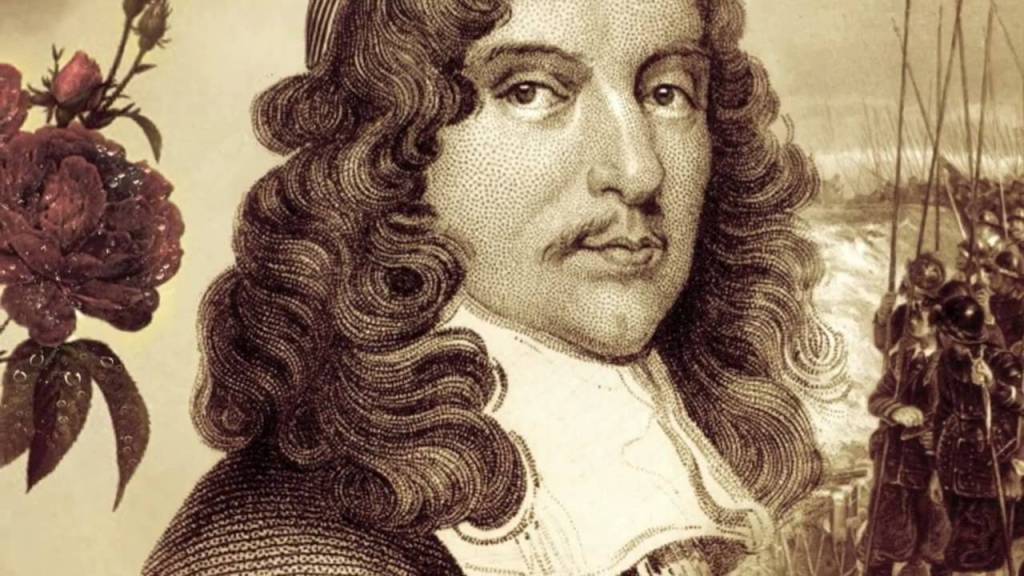
Andrew Marvell

All of Marvell’s poems always had two sides to a story much like the two sides of the political scenario then. His poem “A dialogue between the soul and body” is a conflict between the body and the soul where the soul feels that it is a prisoner in the body and will be free after it’s death whereas the body considers the soul to be an abusive ruler who makes it commit all kinds of sins and imposes restrictions on it.

Soul:

A soul hung up, as ‘twere in chains

Of nerves, and arteries, and veins;

Tortured, besides each other part,

In a vain head, and double heart.

Constrained not only to endure Disease, but, what’s worse, the cure;

And ready oft the port to gain,

Am shipwreck’d into health again.

Body:

It knowledge forces me to know,

And memory will not forego.

What but a soul could have the wit?

To build me up for sin so fit?

And wanting where it’s spite to try,

Has made me live to let me die.

A body that could never rest,

Since this ill spirit it possest.

I have read so many poems of metaphysical poets and for me, the way Marvell plays with irony and paradox is by far my favorite. It has humor, wit and yet it subtly highlights how critically Marvell analyzed every situation. Why poetry like this is relevant today is because we have been brainwashed into always choosing sides, so much so that we constantly feel like an imposter in a group of misfits. How often do we embrace the paradox in our own lives? This still makes us uncomfortable and we feel the need to choose a team and belong somewhere. We must note that even though Marvell supported the Republicans or puritans; he never completely agreed with all that they did and was brave enough to keep his stand in front of everyone.                                                                             

How wisely nature did decree,

With the same eyes to weep and see;

That, having viewed the object vain,

They might be ready to complain!

These are the lines from his poem Eyes and Tears and if you really enjoy reading poetry you can also read ‘His Coy Mistress’, ‘A Dialogue between resolved soul and created pleasure’ and ‘On a Drop of dew’ amongst many other of this brilliant poems.

Poetry like these invoked a sense of “thought” channeled through “feelings” and this is where the crux of this article lies. Metaphysical poets where the last ones to keep reason and emotion an integral part of one another. They analyzed the complex psychological experience, pondered about the nature of reality and perception, the existence of God, free will and consciousness. And what better a medium to channelize this thought that through poetry? It was a deceptively brilliant affair. This was attained because of the enlightenment that they achieved which was the aftermath of the Renaissance period.

After them, the separation between intellectual thought and experience of feeling only widened. T.S Eliot, the famous modernist poet coined this as “Dissociation of sensibility” and this dissociation is evident in all forms today where people either express feelings without thought or thought without feeling. We all feel so disconnected and unnatural because this rift has become our reality and we are either clogged with emotions or drowned in reason, never being able to join those dots. The medium I chose to realize this was through poetry, maybe it will be something else for you but the underlying notion is the same; embracing the irony and amalgamating intellectual thought and complex emotions.

Another side to metaphysical poems was their interpretation of death and mourning. Where people were short of words for a person mourning or a person on his death bed about to die and fearing death; Donne could capture this seemingly taboo subject with grace and wit. In his poem “Death, be not proud” he depicts death as a powerless figure and denies the authority of death implying that death does not kill people, instead, it liberates them. He states that death is merely a slave of fate, chance, kings and desperate men and can be attained with poison, war, sickness as well. If after all these incidents, death does knock ones door, then why does it swell with pride?
His poem “A Valediction: Forbidding Mourning” depicts beautifully how trivial death is as compared to the spiritual and transcendental bond that two people share. Instead of throwing an emotional fit, he wishes to melt away from his partner where their separation isn’t a breach but rather an expansion like a “gold leaf pounded thin”. He compares their love to celestial spheres. Even though the movements of these celestial objects are invisible to those on earth, they are much more powerful than the highly visible “Moving of the earth”. It is imperative to note that John Donne was born in the same time period when Galileo was born and this essentially shows his worldly knowledge at a time when the church was at constant clashes with basic scientific philosophies.

“Thy firmness draws my circle just,

And makes me end, where I begun.”

This is how Donne ends his poem by comparing their love to a drafting compass. He states that his wife’s leg holds them steady and firm and he will always find his way back to her. This is why I find metaphysical poetry to be tragically beautiful. They could talk about the thought of the demise of a beloved with poise, however unsettling it might be and then reason it out. Metaphysical poets gave a different interpretation to eulogy and discussed death in philosophical terms with lines like,

So gainfull is such loss of breath,

I die even in desire of death,

Still live in me this loving strife

Of living Death and dying Life.

These are the lines from yet another metaphysical poet named Richard Crashaw.

Death is always a sensitive and forbidden topic. We know it is inevitable yet we do not discuss it as much as we should. We fear losing someone we love and are so overwhelmed by emotion that we refuse to reason it out so that we can deal with it in a respectable and healing manner. We like discussing about “what if’s”; what if I was rich? What if I had superpowers? But we never discuss the most uncomfortable question; what if I were dead? Speaking about it with our loved ones may be uncomfortable but at least it won’t feel like an unfinished business when the what if turns into reality. It won’t lessen the pain, but maybe it won’t feel like an incomplete story, like a lost piece of a puzzle.

How lost are we in this eternal quest of living a life without the true realization of death? It is a painful and an agonizing imprisonment into abyss and yet what brings us back is the echo and memory of the departed. It is a difficult time right now with so many deaths around us and even within our families. It is so overwhelming that we mourn but in a numb state; hope but in an oblivion state.

So let me just end with the poem of John Donne who I think was a great secular humanist and who believed that “if someone dies, a part of me dies.”

No man is an island,

Entire of itself,

Every man is a piece of the continent,

A part of the main.

If a clod be washed away by the sea,

Europe is the less.

As well as if a promontory were.

As well as if a manor of thy friend’s

Or of thine own were:

Any man’s death diminishes me,

Because I am involved in mankind,

And therefore never send to know for whom the bell tolls;

It tolls for thee.
Reconnecting to Expression

Humans have an innate need to express themselves. This need for expression is inherent to the human mind. To think of it, even our genes expressed chemical data to multiply and carry forward the information. Like the genes learnt to multiply; the neurons learnt to talk and communicate. This form of expression that is so intrinsic to humans, later developed into drawings, paintings, poetry or even dance. It was all expression in some form to carry the information forward right from the cavemen and their rock paintings to the historic scriptures to the present day information technology. What once began as a form of expression manifested itself into various art movements that we know today. These art movements are a direct implication of the evolution of mankind and it’s socio-economic situations present in that era.

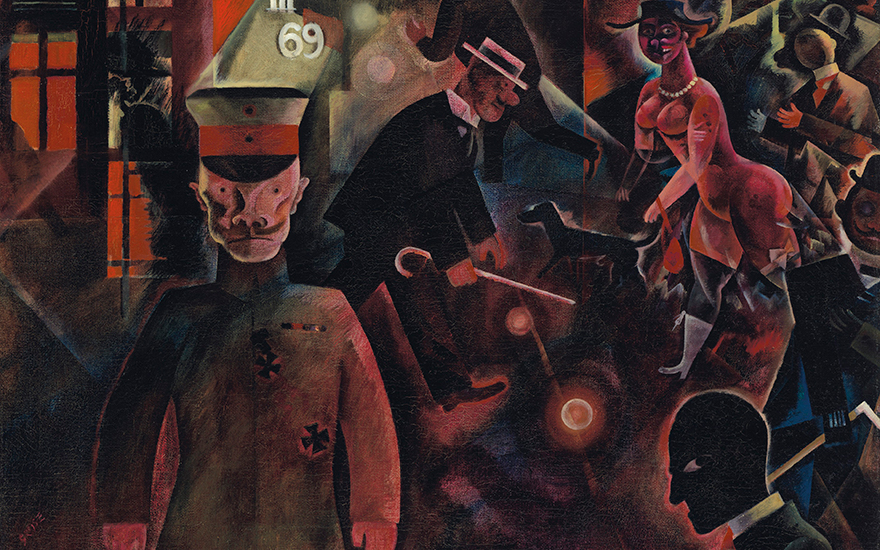
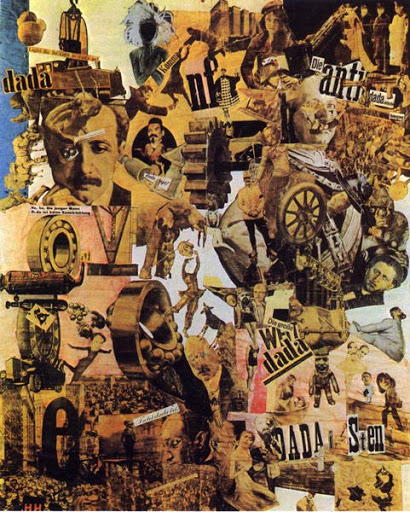
For example, Dadaism which was the art movement that formed during the first world war consisted of countless artists, writers and poets that took to exile in Zurich. As the war progressed their art became extremely dissident and anarchic in reaction to the state of affairs. They exposed the accepted and often repressive conventions of order and logic by socking people into self awareness. They protested against the pointlessness and the horrors of the war under the battle cry of “DADA”.

Hannah Hoch (1889-1978)
‘Incision With The Dada Kitchen Knife Through Germany’s Last Weimar Beer Belly Cultural Epoch’ 1920
George Grosz (1893-1959)
‘Dangerous Street’ 1918


Max Ernst (1891-1976)
‘Murdering Airplane’ 1920

As society supposedly developed, the movements delved into aspects exploring complex emotional and psychic structures with expressionism and surrealism respectively, rejecting the idea of what seems rational to the human mind and championing the irrational, poetic and revolutionary. The art that is done today is spread across a lot of fields. There is visual arts, conceptual art, digital arts and even art in collaboration with science. Today however, some claim that the art movement resembles dadaism, also called neo-dadaism because people today are facing the repercussions of  the invisible war between humans and the disconnect between themselves and their immediate reality.  Humans today are in the state of disillusionment and in the pointless journey to deplete their own resources, moving further away from the sensual and unadulterated realization of life. Let us just leave this question of what this movement will be called to the future historians. For now, let us just talk about some of the artists shattering the glass ceiling through their work which is relevant to this time period.

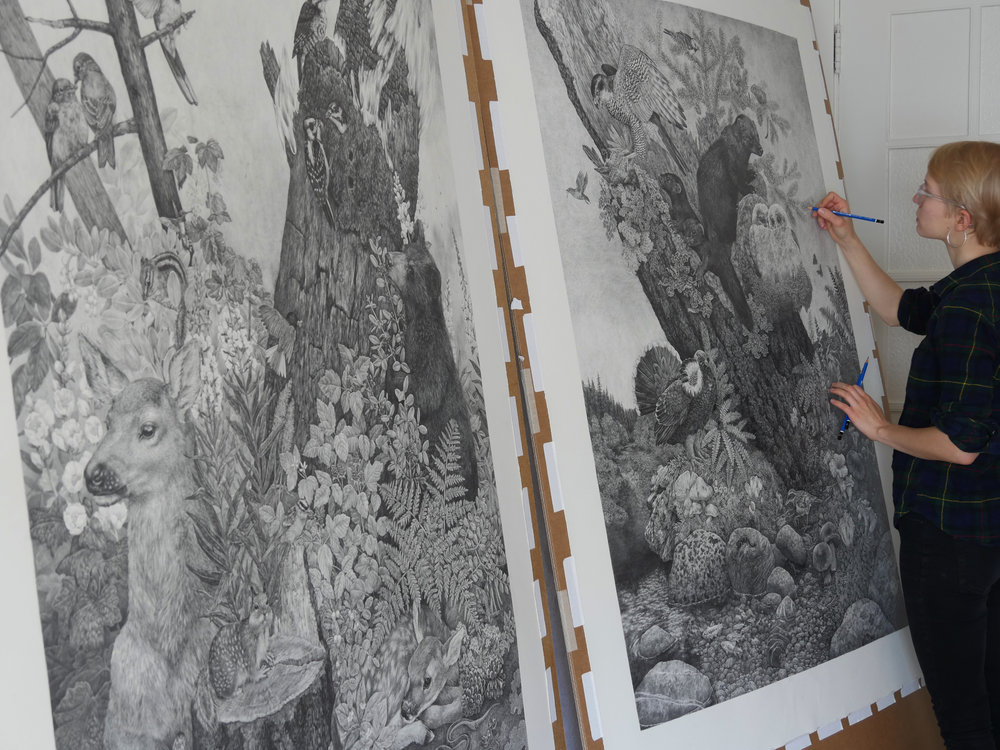
One such pioneering artist who uses realism or naturalism to create an awareness about our exponentially depleting resources is Zoe Keller. She says “Drawing has a unique ability to collapse time and space and collage things in a way that highlights the interesting ways that ecosystems function”. You cannot draw something accurately unless you know how it functions. Her works are like a documentation of the species not extinct yet. Zoe Keller uses graphite to draw various ecosystems and wildlife highlighting the at-risk species. Her work which seems to be so daunting actually captures the interconnectedness of the fragile nature that we live in. She collaborates with the scientific community and rigorously researches her subjects through self expeditions and on-ground experience through those ecosystems. It makes us appreciate the delicate intricacies around us. It encourages us to slow down and observe it more keenly to understand the grand design. It highlights biodiversity at risk in an era of human driven mass extinction.

Zoe Keller with her work
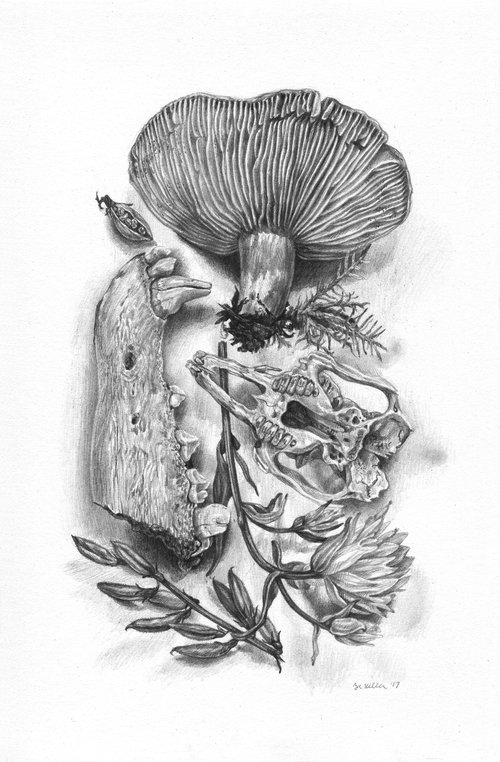
California floristic province 2017 series
Southeast Alaska 2017 series

The Southeast Alaska series are visual records of the plant and fungi life present in one very specific place at one very specific moment in time, and hint at the vibrant mammalian, ornithological, invertebrate and geologic elements of the surrounding ecosystems. For The California floristic province series Keller spent two months reading scientific texts.

With the advancement of science and technology, we are moving further apart from the tangible reality. This does not mean that technology is bad; it just means that we need to gain a whole new perspective to approach technology itself. Technological advancements were inevitable but the intangible and disconnected realm in which we are present today needs a more emotional or human approach.  One such artist who is breaking new ground and is my personal favorite is Adrian Segal. She is a contemporary sculptor and mandala artist. She is on this quest of bringing tangibility to science through her arts. Her mandala art also has a unique approach to entice the spectator into a state of realization as well as awareness of various socio-political scenarios. I may mention about a lot of her work below but bear with me because it gets really interesting.

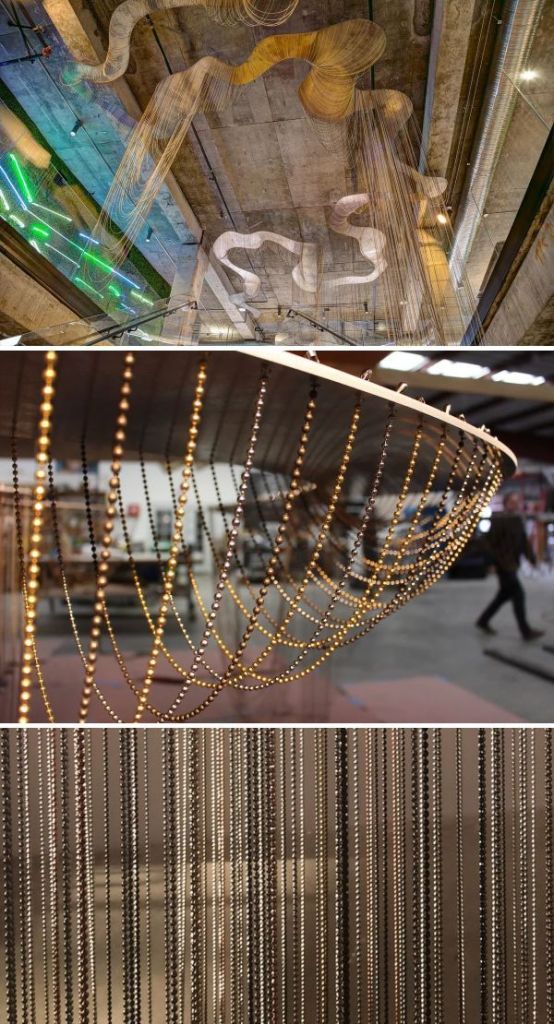
 “Sculpture is the aesthetic language I use to bridge the gap between reason and emotion”  ~ Segal’s work is the interpretation of the rational, objective and scientific data or for that matter any information and converting it into a much more human, emotional, tangible form. “I interpret the poetics of statistical information by translating data into lines, forms, and materials that reveal abstract concepts and unseen phenomena as communicative, sensory, and aesthetically engaging artworks”. Her work  “California Water rights”  signifies the water consumption of California which is much higher than the naturally available water source. 

Each of the 1072 strands represent the largest permitted water user in California. Each ball is approximately 326000 gallons of water. It gives experiential knowledge about how we as a society commodify and consume water.

 We all know how geography classes used to bore us in our school days. It had tons of data and graphs and maps but what if I told you this sculpture is actually a representation of one of those data?

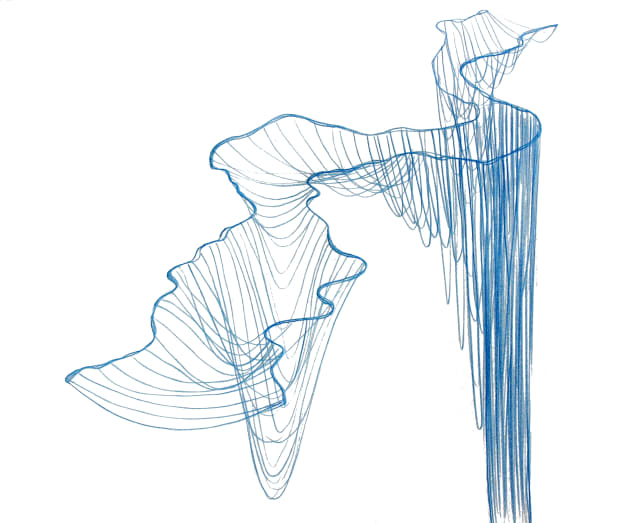
Segal’s work  “Molalla River Meander”  is a sculpture of 15 years of alluvial (soil deposited by flow) flows of a section of Molalla river. That sculpture right there is a history of 15 years from 1995-2009; even showing a new tributary which was formed due to the floods between the years 2005-2009.  Although the structure looks pretty simple, if we pause and take a moment to appreciate it, we will realize how much of an effort is put into making something this exceptional. It seems like art on it’s face but has many technical skills and data study underlying them all. It is remarkable how she can capture the flow of time and it’s stories of floods, destruction and re-construction into such a simple structure.

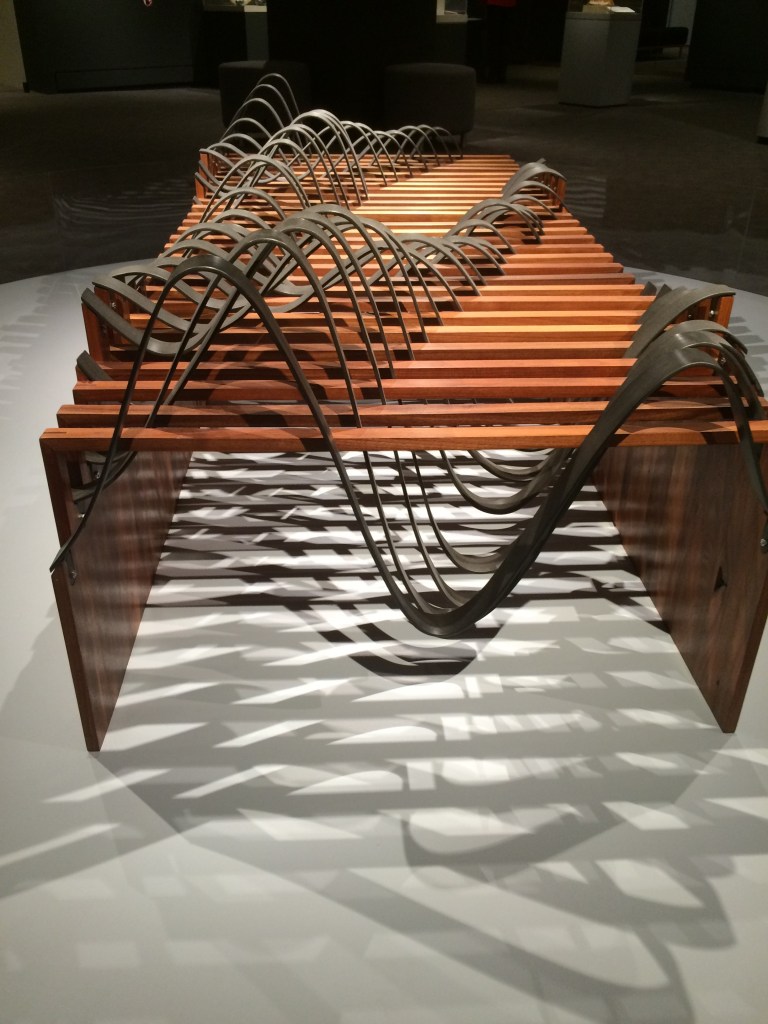
Now, let’s shift a little bit to science, shall we?  Many of you probably dozed off during those optics classes in school; so let me keep it precise. Albedo’s effect is related to sea ice and studying energy absorption of the ocean and its warming. Ice has higher reflectivity. Due to polar amplification, the ice melts, creating dark areas of the ocean that absorb more light as it’s reflectivity is lesser than ice. Hence as a feedback loop its temperature increases and  in turn melts the ice even more. This next sculpture shows this phenomenon with all the temperatures and absorption changes creating these beautiful patterns and surreal light play. Pictures and visual representations speak more to us than any chants and slogans of climate change and global warming and Segal’s art does exactly that leaving the spectators spellbound. In a world where we are constantly fed toxic propaganda under the tag of content; her art is the purest form of escape that we can find building a sense of self introspection and change.

Segal’s Tidal Datum series  shows the unseen pattern in the ocean tides over a period of one month.

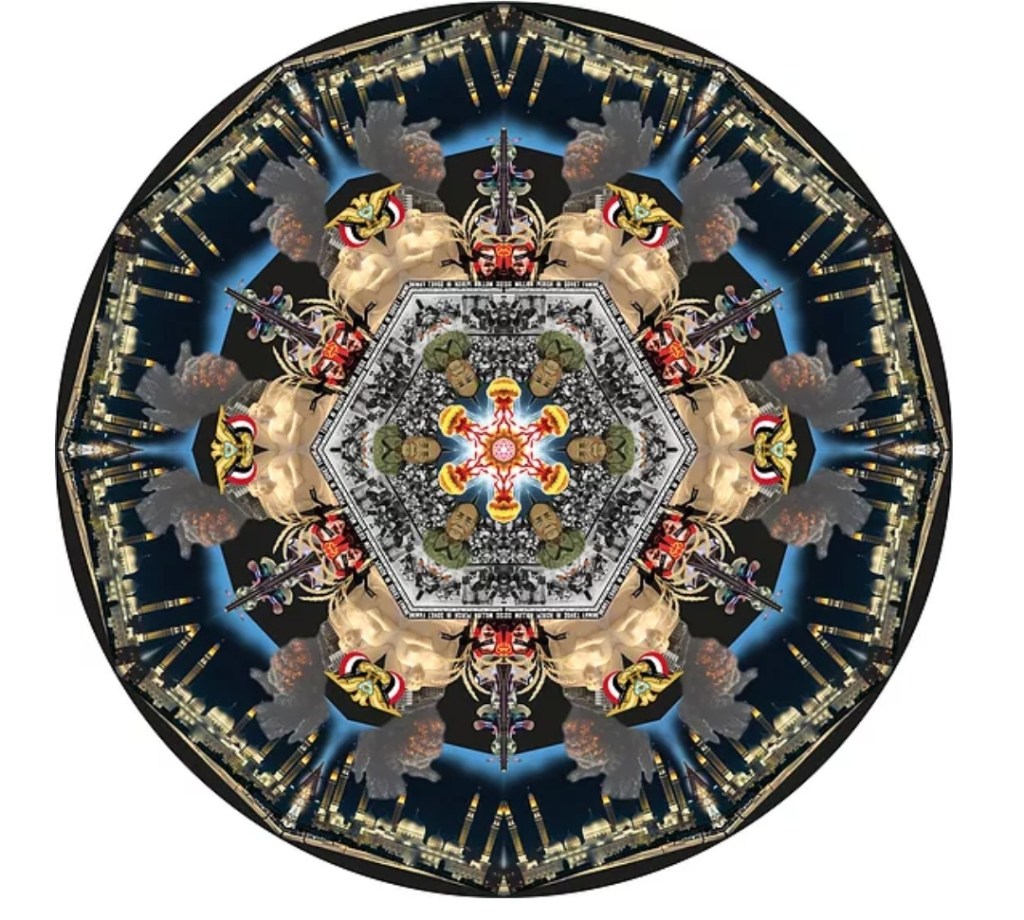
Her next and the final work which I want to write about and is my personal favorite is the Wheat Mandala series. We know mandala art as this boho style of art that people on instagram use to decorate their rooms. It consists of repetitive and symmetrical patterns encompassed in a circle. Well, Segal found a way of telling stories even through these. Her mandalas explore the narratives of complex history of wheat cultivation, human impacts, famine and human failures that caused them. The mandala format draws attention to the historic shift from religion and divine intervention to scientific inquiry, and offers a sense of stability and introspection. You can spend hours looking at her mandalas thinking about all the historic events, the struggles and the cascading effects of those decisions in history. To incorporate so much information and emotion in a single art piece is a work of sheer genius.

A year without summer

This mandala is called ” A year without summer”. It begins with the eruption of Mt.Tambora in 1815 – the largest volcanic eruption in recorded history in which ash was dispersed around the world, blocking the sun, lowering global temperatures, and causing worldwide harvest failures and major food shortages across the Northern Hemisphere. The lack of grains to feed horses inspired German inventor Karl Drais to research new methods of horseless transportation, which led to the invention of the draisine, an early form of the modern bicycle. That same summer, the author Mary Shelley, vacationing at Lake Geneva, was forced to stay inside due to the unusually inclement weather. Shelley wrote her influential novel Frankenstein (The Modern Prometheus) after engaging in a competition with her traveling companions to see who could write the best horror story.  

Volcanic eruption at Mt.Tambora
Draisine: early form of modern bicycle
Mary Shelly and the gothic novel ‘Frankenstein’

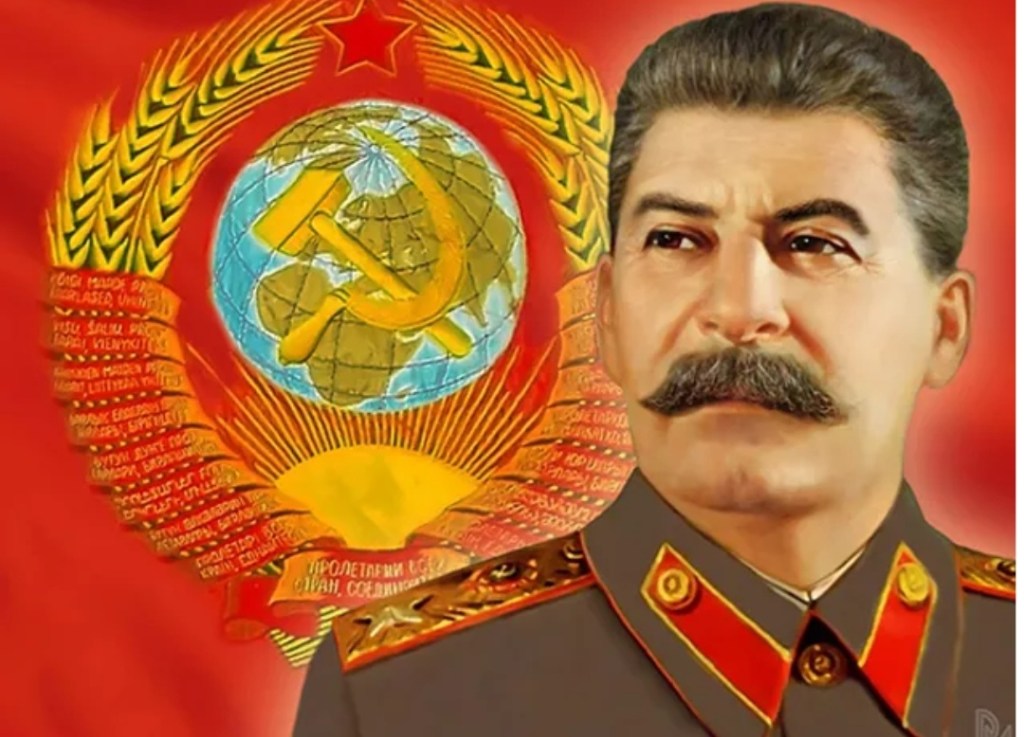
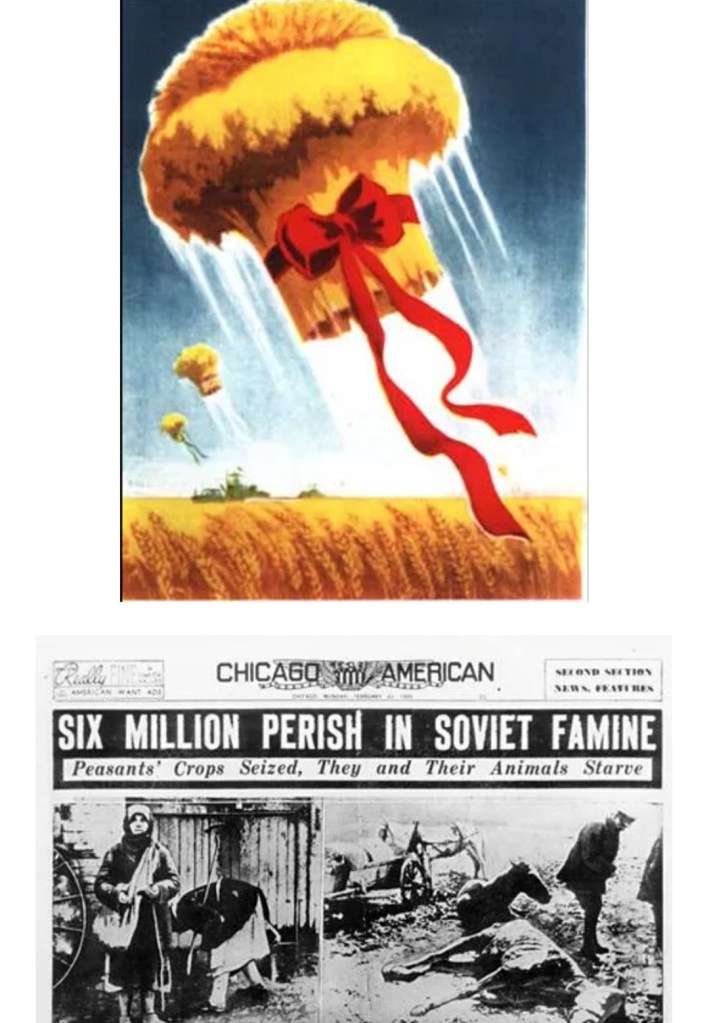
The second mandala is called “Man made famine”. It represents catastrophic human failures that have resulted in mass famines throughout history to present day events, caused by social, economic, and political decisions. Imagery includes reference to Stalin’s Five Year Plan of Industrialization and subsequent Holomodor (also referred to the Great Ukranian Genocide in 1932-33); Chariman Mao’s Great Leap Forward involving mandatory agricultural collectivization resulting in the Great Chinese Famine; and finally the current humanitarian crisis in war-torn Yemen in which at least six million people are facing imminent starvation.

Man Made Famine
Stalin
Agricultural collectivization
Chinese Famine
Humanitarian crisis in war torn Yemen

All of Segal’s work are tragically beautiful with a social and philosophical message in every field that we can think of. Zoe Keller’s work  captured the complex, tangled and interdependent world around us in it’s most intricate element making us realize what could end in the near future. Both of them and many other such artists delved into fields not very similar to their own. But for them the division does not even matter, what matters is giving their conscious thought a form. It is through rigorous study and technical prowess that these people can contemplate the subtleties of the world around them. We watch movies, paintings, read poetry and often times move on form them the very next moment. For something to really impact us, we have to go back from where we started; expression in it’s purest, untainted form, expression that speaks to our inner psyche, that speaks to the purest of human forms, the naked human form. Every step we take, every speech we understand is a form of expression by our body built through years of evolutionary information stored in all of us.  We just need to give that expression an authentic and transparent medium. So take a moment, and look into yourself, your surroundings and the people around you. What do you observe? What is the raw and naked form that you really observe?

The Train of Recital

People from different fields of study always have this subtle tug of war between them, trying to prove one field of study to be superior to the other. Most artists believe that art is the ultimate fabric connecting everything giving it meaning and beauty whereas most scientists believe in the more logical and deductive explanations of this fabric of reality. There is this constant smirk battle between the nihilists and the existentialists, rationalists and the empiricist, the realists and the idealist, mathematicians and physicists, defining everything just in black and white. Then  there was me as a kid watching this constant division silently and enjoying my little grey space. I never really felt like I belonged to any particular team; I loved them all. I loved the stories of great men and women as much as learning about the physics of light. I adored knowing about the geographical aspects of culture and food as well as a good inspiring poetry. I was amazed by learning about the Fibonacci series that is responsible for the patterns in flowers and pines as also by the sheer beauty of that same flower being painted differently by different people. There was this divide none the less and I later realized that people who studied about various topics and inculcated them into their work were termed “polymaths” and people who had in depth knowledge about a particular subject were termed “specialists” both of which are necessary for this society to function. This blog will be like a train journey stopping at stations of culture and food, of poetry and numbers, of people and planets, of beauty and history, of books and love but most importantly of all the things that made me wonder. It will be the recital of how art meets science and the people who created a spectrum of nuanced possibilities just by exploring that little grey space.

The term “renaissance” literally means to be “reborn” and marked the rebirth of European arts, sciences and literature which originated in Florence, Italy and then spread to Europe between the 14th-17th century. I remember as a kid when we had a lesson on renaissance in our history textbooks, I stumbled upon this name, a person who was a painter, an inventor, an astronomer, a biologist, cartographer and even a paleontologist. It made me wonder how can a man possibly have such extensive knowledge about all of these seemingly polar opposite fields of study. He was none other than Leonardo Da Vinci. I read obsessively about him and what astounded me apart from the insane fan following and conspiracies surrounding him was the fact that this exceptional painter was also the person who studied and contributed to biomechanics by studying muscles and tendons and it’s anatomy, and also the person who first illustrated a fetus in a uterus. He was also the person who lay the foundation for early paleontology because of his fossil studies and the same person who had hundreds of inventions; some of which were successful ranging from crank mechanisms, hydraulic pumps to even parachutes and some other flying machines. It was not just him but many individuals that were intellectually much superior because almost all the renaissance men and women blurred the line between the arts and sciences. It was a continuous process of learning and letting go and learning something new again. Of course, in the modern lingo, a renaissance person is considered to be a polymath or someone with areas of multiple interests. It is only later on did I realize that polymaths exist between us as well and not just the renaissance period, only today, we have constrained them into these boxes with different subjects and specialties.

All problems, be it in medicine, engineering, or even fashion designing need a specialist in that field to tackle it but we forget that problems itself are multi faceted and it is the polymaths that connect these dots and make them dance together. Science is considered to be objective and art to be subjective but neither of them are fixed on the extreme end of this spectrum and a polymath weds them off in a way that we never would have perceived. Pablo Picasso said, “All children are born artists, the problem is to remain one as we grow up” but all children are also born scientists with curiosity and a drive to experiment everyday things in life. Some do incline to one more than the other but are never exclusively on one team while some are stuck trying to be inclined to one while in reality all they want to do is to jump all around the place exploring and following the path that their interests take them. Even though the system today is designed primarily for specialists, it did not stop Benjamin Franklin from dabbling into politics, writing about political philosophies and inventing bifocals and lightening rods at the same time.; neither did it stop him from inventing the glass harmonica (on which both Mozart and Beethoven have composed music) and studying about oceanic current, population studies to quench his thirst for curiosity. “Jack of all trades and master of none” we have all heard this quote at least once in our lifetime and while we just assumed this quote to be true, we were ignorant to the tricks it played with our mind. It made us believe that perfection is all that we need to achieve; striving to become a master, a specialist, a legend. While it holds true for some professions, we all just walk over the fact that not all of us are wired that way and that is not a negative quality. It was maybe this realization that Rabindranath Tagore had which gave birth to “Shantiniketan” , a school that nursed the freedom of human curiosity, that did not alienate the human mind to the beauty of knowledge by caging it into four walls. Here students were encouraged to follow the life cycles of plants and insects and create art at the same time. We still have a long way to go to make changes as transforming as these but hopefully we will reach there someday.

Steve Jobs said, “Technology alone is not enough. It is technology married with liberal arts and humanities that make our heart sing.” and by similar logic art in itself is not enough. Sigmund Freud, a neurologist who is considered to be the founder of psychoanalysis or therapy using counselling; in the process of studying and providing science (however controversial) made art in disguise. His study which tackled the sub-conscious mind was actually describing “feelings” and “emotions” which  find their cradle in arts. The famous Van Gogh and his starry night wouldn’t have been considered a work of sheer genius hadn’t it been for his accurate representation of the turbulence of air flow which is a pretty complicated area of study let alone representation; neither would Da Vinci be so well known if there wasn’t mathematics (golden ratio) underlying in all of his paintings. Arts has science to realize it’s beauty and science has arts as the motivation and reason for it to thrive.

In this whole internet banter of  “I was forced to take engineering. This is so lame” or “Art has no real value” or even “This is not my true calling” we refuse to believe that all of them can somehow co-exist together. We are allowed to have multiple “true callings”. Between the fight of trying to prove ourselves to either be a left or right brained person, we forget that it is in fact the same brain and has the same activity and communication of both parts to function together; like a team, be it a scientist or an artist. Genetic and environmental factors do influence our likes and dislikes or even our aptitude but the division today is because of the years of conditioning that we have gone through not realizing that our mind has a potential we haven’t unleashed yet. So this blog will exactly be about all of these interceptions that we fail to observe and the people doing it exceptionally well in the modern era. So board this train with me and between the choo-choo of the engine and the rattling of the rails all of the stories, wonders and inspirations will travel and flourish.